Buy bopfingen.eu ?
We are moving the project
bopfingen.eu .
Are you interested in purchasing the domain
bopfingen.eu ?
domain@kv-gmbh.de · 0541-91531010
Buy bopfingen.eu ?
Was Stalin popular?
Stalin was popular among some segments of the Soviet population, particularly among the working class and the rural peasantry. His leadership during World War II and the industrialization of the Soviet Union contributed to his popularity among these groups. However, his policies also led to widespread repression, purges, and famine, which resulted in significant opposition and fear among many Soviet citizens. Overall, Stalin's popularity was mixed, with some supporting him for his achievements and others fearing his authoritarian rule. **
'Josef Stalin Kinder' translates to 'Joseph Stalin Children' in English.
The phrase "Josef Stalin Kinder" translates to "Joseph Stalin Children" in English. This phrase refers to the system of orphanages and children's homes established in the Soviet Union during Stalin's rule. These institutions were named after Stalin and were used to indoctrinate children with communist ideology and loyalty to the state. The use of Stalin's name in the title of these institutions reflects the cult of personality that surrounded him during his rule. **


Similar search terms for Stalin
Top-Angebote
Products related to Stalin:
-
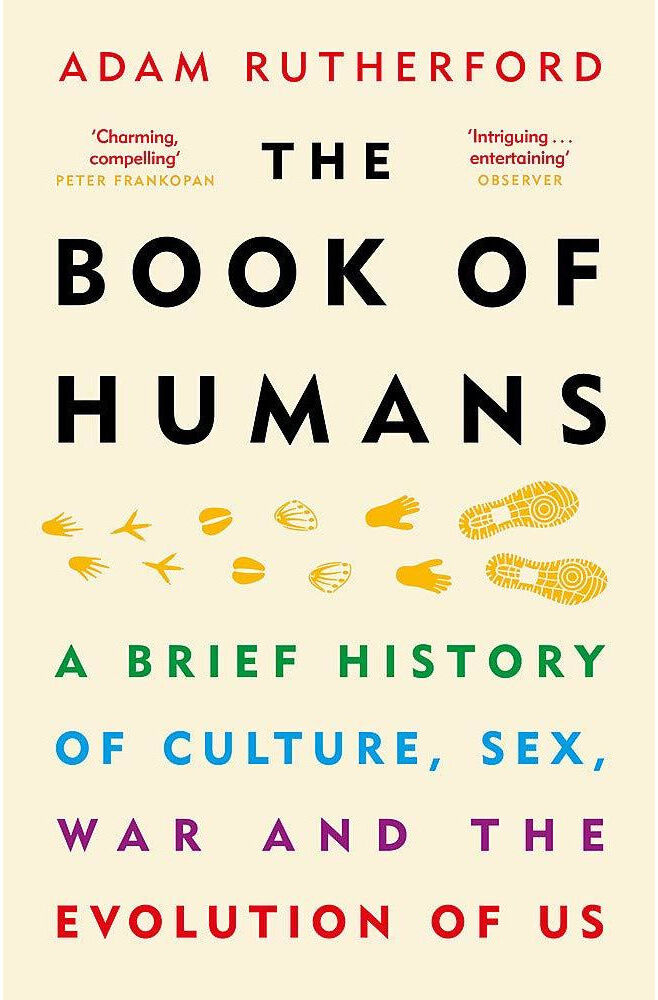
Orion The Book of Humans by Adam Rutherford – A Brief History of Culture, Sex, War & EvolutionWHAT MAKES US HUMAN? Waging war? Sex for pleasure? Creating art? Mastery of fire? In this thrilling tour of the animal kingdom, Adam Rutherford tells the story of how we became the unique creatures we are today. Illuminated by the latest scientific discoveries, THE BOOK OF HUMANS is a dazzling compendium of what unequivocally fixes us as animals, and reveals how we are extraordinary among them.4,98 £*Shipping: 1,99 £Secure redirect to the provider
-
Zygomatic Timeline Refresh 2026 Clutch Box - Card Game for 2-4 Players Ages 10+ History Culture TriviaTest your knowledge of history, culture, and everyday events with Timeline Refresh 2026, a compact card game for family and friends. Each round challenges players to place event cards in the correct chronological position, using the timeline already on the table as their guide. Choose an event card, estimate when it happened, and add it to the timeline. If your placement is correct, the card remains in play; if not, it is removed. The first player to position all their cards correctly wins. The game's accessible rules and varied subject matter make it an engaging way to challenge your memory and learn interesting facts while playing. The clutch box format is designed for convenient storage and portability.9,59 £*Shipping: 3,95 £Secure redirect to the provider
-
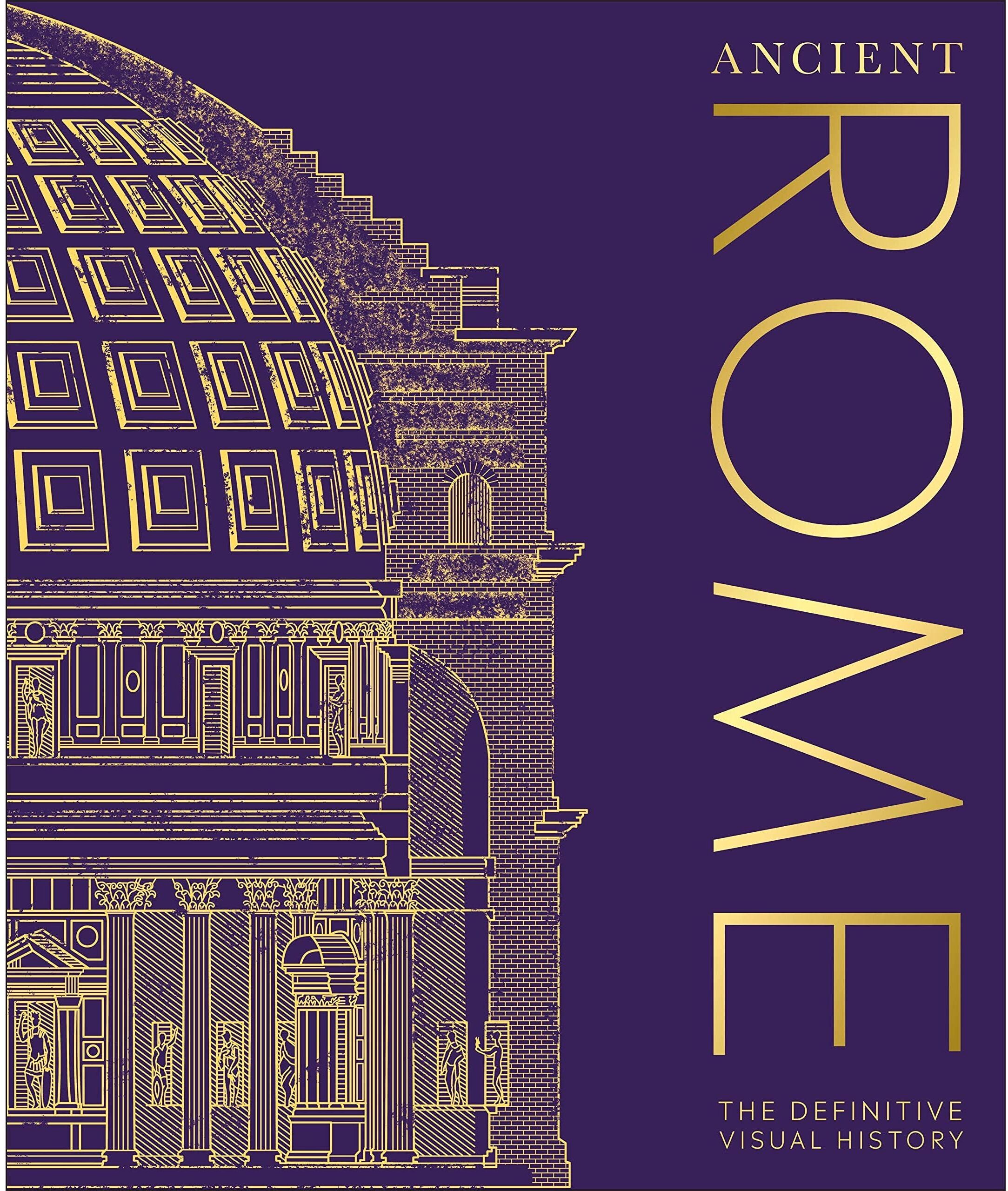
Ancient Rome: The Definitive Visual History (DK Classic History)Immerse yourself in the history of ancient Rome - from its origins as a small settlement on the Palatine Hill to its peak as an empire reigning over 90 million people, and its tumultuous decline. Covering more than 1,000 years of history, and an empire that stretched from Scotland to Syria, Ancient Rome reveals in vivid detail all of the key political, cultural, and military events that shaped the Roman Empire and explores what it was like to live in a society that laid the foundations for many aspects of the modern world. Sumptuous photography and engaging text cover every facet of life in ancient Rome, from art, entertainment, and fashion to engineering, medicine, and war, while detailed maps trace the rise of the mighty Roman Empire. Step back in time in the pages of this history book to discover:- Themed spreads explore developments in areas such as sculpture, religion, warfare, and engineering. - Includes tales of the most dramatic events and battles in Roman history, as well as profiles of influential historical and cultural figures. - An optional 80pp reference section includes sections on rulers, gods and goddesses, and key sites. Featuring Rome's greatest emperors, from Augustus to Constantine, as well as profiles of generals, historians, and influential women, Ancient Rome also delves into the fascinating stories of gladiators, bakers, and enslaved people. The most iconic buildings of Rome are brought to life with specially commissioned CGI recreations, while the stories of ordinary citizens, soldiers, and persecuted groups from across the empire are told with the help of illustrations, artefacts, and eyewitness accounts. Beautifully illustrated and unparalleled in scope, Ancient Rome is the perfect book for anyone who is interested in this defining period of world history.19,95 £*Shipping: 2,99 £Secure redirect to the provider
-
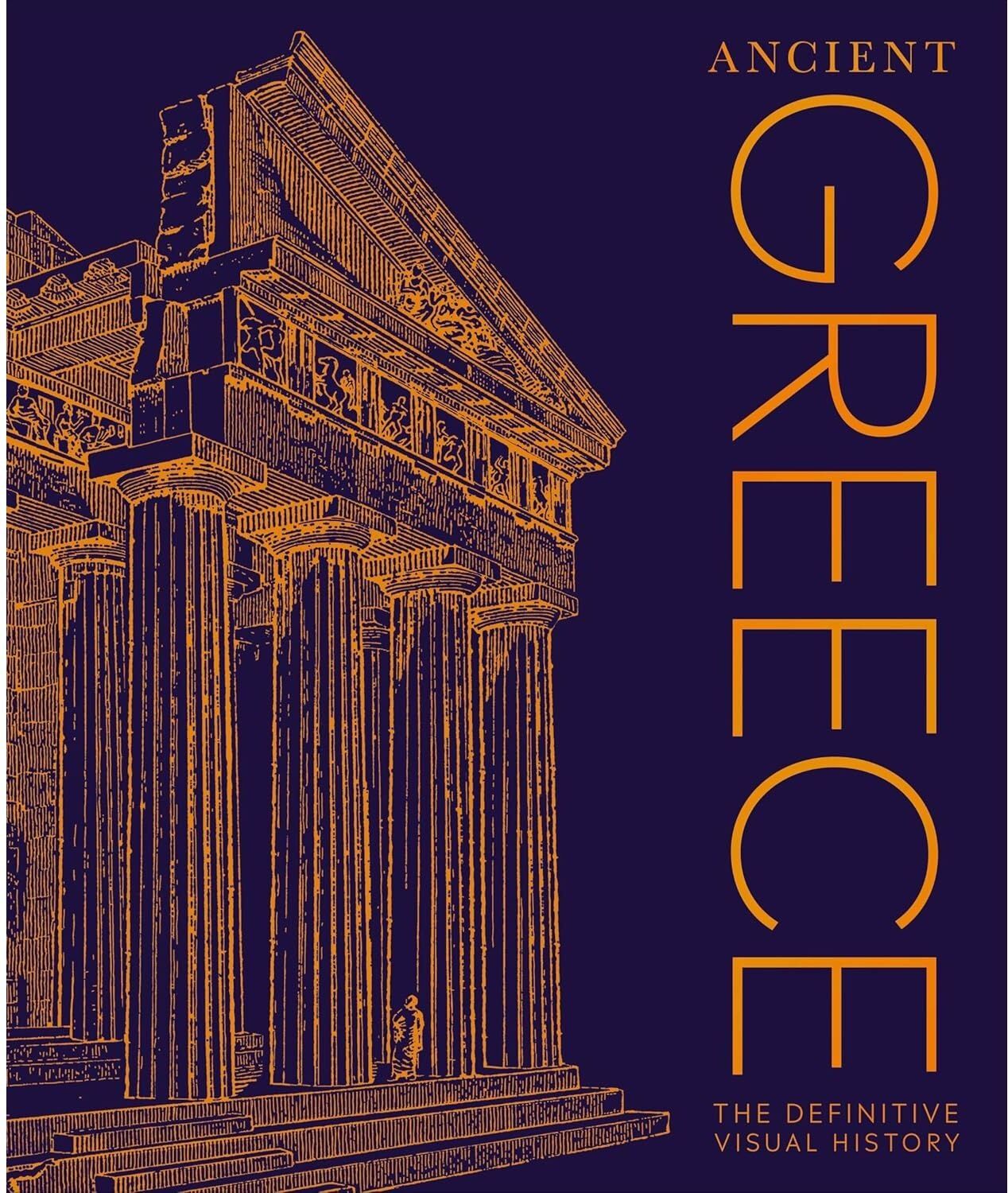
Ancient Greece: The Definitive Visual History (DK Classic History)Embark upon a fascinating journey through ancient Greece – from its rise and fall to its lasting legacy throughout the Western world. Spanning more than 3,000 years, Ancient Greece explores the tumultuous history of this glorious empire in vivid detail – from its Minoan and Mycenaean origins to the apogee of the warring city-states of Athens and Sparta, and from the death of its most charismatic leader, Alexander the Great, to its ultimate defeat by Rome. Sumptuous photography and authoritative, engaging text cover every facet of life in ancient Greece, from art, entertainment, and schools of thought to politics, medicine, and war, while the myths and religious beliefs of the ancient culture are explored and explained in depth. Greece’s military and political power shines through in fascinating maps of its legendary battles. Buried palaces and the Athenian Agora where Plato and Socrates discussed philosophy are brought back to life with stunning CGI artworks. And the stories of everyone from ordinary citizens to lawmakers and the first Olympic athletes are retold through eyewitness accounts and original artefacts.19,99 £*Shipping: 2,99 £Secure redirect to the provider

-
What do Russians in Russia learn about Stalin in history?
In Russia, the portrayal of Stalin in history is complex and often controversial. While some view him as a strong leader who played a crucial role in the victory of World War II, others see him as a brutal dictator responsible for the deaths of millions of people. The official history taught in Russian schools tends to focus on Stalin's role in industrializing the country and leading the Soviet Union to victory in the war, while downplaying the atrocities committed during his rule. However, there is also a growing awareness and discussion of Stalin's repressive policies and human rights abuses in modern Russian society. **
-
Was Stalin a communist?
Yes, Stalin was a communist. He was a key figure in the establishment of the Soviet Union and the leader of the Communist Party of the Soviet Union. Stalin implemented policies that aimed to create a socialist society based on Marxist-Leninist principles, including collectivization of agriculture and industrialization. Despite his authoritarian rule and deviation from some communist ideals, Stalin identified as a communist and sought to advance the goals of the communist movement. **
-
Is Stalin a communist?
Stalin was a prominent figure in the Soviet Union and the leader of the Communist Party. He implemented policies that were based on communist ideology, such as collectivization of agriculture and industrialization. However, there is debate among scholars and historians about whether Stalin truly adhered to the principles of communism, as his regime was characterized by authoritarianism, repression, and a cult of personality. Some argue that Stalin's actions deviated from true communist ideals, while others view him as a communist leader who used extreme measures to consolidate power. **
-
Do Russians like Stalin?
Opinions on Stalin in Russia are divided. Some Russians view Stalin as a strong leader who modernized the country and led the Soviet Union to victory in World War II. Others, however, see him as a brutal dictator responsible for the deaths of millions of people during his reign. Overall, attitudes towards Stalin in Russia are complex and vary depending on individual perspectives and experiences. **


Who did Stalin kill?
Stalin is responsible for the deaths of millions of people during his rule in the Soviet Union. He targeted political opponents, intellectuals, and anyone perceived as a threat to his power. His policies, including forced collectivization and the Great Purge, led to the deaths of millions through executions, forced labor camps, and famine. Additionally, Stalin's policies and actions caused the deaths of countless others through indirect means such as neglect, starvation, and harsh living conditions. **
Did Stalin develop fascism?
No, Stalin did not develop fascism. Fascism is a far-right, authoritarian ultranationalism characterized by dictatorial power, forcible suppression of opposition, and strong regimentation of society and the economy. Stalin, on the other hand, was the leader of the Soviet Union and a proponent of communism, which is a far-left ideology that advocates for the collective ownership of the means of production and the elimination of class distinctions. While both ideologies are authoritarian in nature, they are fundamentally different in their principles and goals. **
Top-Angebote
Products related to Stalin:
-
Hitler, Stalin, Mum and Dad by Daniel Finkelstein - Sunday Times Bestselling WWII Family Memoir - New Paperback, 496 Pages, William CollinsHitler, Stalin, Mum and Dad is a memoir by Daniel Finkelstein, tracing his parents' extraordinary survival through the two great totalitarian horrors of the twentieth century. Combining rigorous historical research with deeply personal family recollection, Finkelstein reconstructs how his mother endured Hitler's death camps and his father survived Stalin's slave labour camps. Written with clarity and restraint, it is a moving testament to endurance, love, and the fragile threads of chance that decide who lives and who does not. Daniel Finkelstein, a well-known British political columnist and broadcaster, spent years piecing together the fragmented histories of his mother Mirjam Wiener and his father Ludwik Finkelstein. Mirjam's family, prominent and cultured in pre-war Germany, was swept into the machinery of Nazi persecution, ultimately surviving Bergen-Belsen.3,99 £*Shipping: 2,99 £Secure redirect to the provider
-
From the Archives: Black History and Culture Value PackThis brand-new series is rooted in a profound commitment to shedding light on some of the important -- and often lesser-known -- aspects of Black history. From the Archives features landmarks, events, people, and artistic endeavors that have played...27,99 $*Shipping: 0,00 $Secure redirect to the provider
-
Orion The Book of Humans by Adam Rutherford – A Brief History of Culture, Sex, War & EvolutionWHAT MAKES US HUMAN? Waging war? Sex for pleasure? Creating art? Mastery of fire? In this thrilling tour of the animal kingdom, Adam Rutherford tells the story of how we became the unique creatures we are today. Illuminated by the latest scientific discoveries, THE BOOK OF HUMANS is a dazzling compendium of what unequivocally fixes us as animals, and reveals how we are extraordinary among them.4,98 £*Shipping: 1,99 £Secure redirect to the provider
-
Zygomatic Timeline Refresh 2026 Clutch Box - Card Game for 2-4 Players Ages 10+ History Culture TriviaTest your knowledge of history, culture, and everyday events with Timeline Refresh 2026, a compact card game for family and friends. Each round challenges players to place event cards in the correct chronological position, using the timeline already on the table as their guide. Choose an event card, estimate when it happened, and add it to the timeline. If your placement is correct, the card remains in play; if not, it is removed. The first player to position all their cards correctly wins. The game's accessible rules and varied subject matter make it an engaging way to challenge your memory and learn interesting facts while playing. The clutch box format is designed for convenient storage and portability.9,59 £*Shipping: 3,95 £Secure redirect to the provider
-
Was Stalin popular?
Stalin was popular among some segments of the Soviet population, particularly among the working class and the rural peasantry. His leadership during World War II and the industrialization of the Soviet Union contributed to his popularity among these groups. However, his policies also led to widespread repression, purges, and famine, which resulted in significant opposition and fear among many Soviet citizens. Overall, Stalin's popularity was mixed, with some supporting him for his achievements and others fearing his authoritarian rule. **
-
'Josef Stalin Kinder' translates to 'Joseph Stalin Children' in English.
The phrase "Josef Stalin Kinder" translates to "Joseph Stalin Children" in English. This phrase refers to the system of orphanages and children's homes established in the Soviet Union during Stalin's rule. These institutions were named after Stalin and were used to indoctrinate children with communist ideology and loyalty to the state. The use of Stalin's name in the title of these institutions reflects the cult of personality that surrounded him during his rule. **
-
What do Russians in Russia learn about Stalin in history?
In Russia, the portrayal of Stalin in history is complex and often controversial. While some view him as a strong leader who played a crucial role in the victory of World War II, others see him as a brutal dictator responsible for the deaths of millions of people. The official history taught in Russian schools tends to focus on Stalin's role in industrializing the country and leading the Soviet Union to victory in the war, while downplaying the atrocities committed during his rule. However, there is also a growing awareness and discussion of Stalin's repressive policies and human rights abuses in modern Russian society. **
-
Was Stalin a communist?
Yes, Stalin was a communist. He was a key figure in the establishment of the Soviet Union and the leader of the Communist Party of the Soviet Union. Stalin implemented policies that aimed to create a socialist society based on Marxist-Leninist principles, including collectivization of agriculture and industrialization. Despite his authoritarian rule and deviation from some communist ideals, Stalin identified as a communist and sought to advance the goals of the communist movement. **
Similar search terms for Stalin
-
Ancient Rome: The Definitive Visual History (DK Classic History)Immerse yourself in the history of ancient Rome - from its origins as a small settlement on the Palatine Hill to its peak as an empire reigning over 90 million people, and its tumultuous decline. Covering more than 1,000 years of history, and an empire that stretched from Scotland to Syria, Ancient Rome reveals in vivid detail all of the key political, cultural, and military events that shaped the Roman Empire and explores what it was like to live in a society that laid the foundations for many aspects of the modern world. Sumptuous photography and engaging text cover every facet of life in ancient Rome, from art, entertainment, and fashion to engineering, medicine, and war, while detailed maps trace the rise of the mighty Roman Empire. Step back in time in the pages of this history book to discover:- Themed spreads explore developments in areas such as sculpture, religion, warfare, and engineering. - Includes tales of the most dramatic events and battles in Roman history, as well as profiles of influential historical and cultural figures. - An optional 80pp reference section includes sections on rulers, gods and goddesses, and key sites. Featuring Rome's greatest emperors, from Augustus to Constantine, as well as profiles of generals, historians, and influential women, Ancient Rome also delves into the fascinating stories of gladiators, bakers, and enslaved people. The most iconic buildings of Rome are brought to life with specially commissioned CGI recreations, while the stories of ordinary citizens, soldiers, and persecuted groups from across the empire are told with the help of illustrations, artefacts, and eyewitness accounts. Beautifully illustrated and unparalleled in scope, Ancient Rome is the perfect book for anyone who is interested in this defining period of world history.19,95 £*Shipping: 2,99 £Secure redirect to the provider
-
Ancient Greece: The Definitive Visual History (DK Classic History)Embark upon a fascinating journey through ancient Greece – from its rise and fall to its lasting legacy throughout the Western world. Spanning more than 3,000 years, Ancient Greece explores the tumultuous history of this glorious empire in vivid detail – from its Minoan and Mycenaean origins to the apogee of the warring city-states of Athens and Sparta, and from the death of its most charismatic leader, Alexander the Great, to its ultimate defeat by Rome. Sumptuous photography and authoritative, engaging text cover every facet of life in ancient Greece, from art, entertainment, and schools of thought to politics, medicine, and war, while the myths and religious beliefs of the ancient culture are explored and explained in depth. Greece’s military and political power shines through in fascinating maps of its legendary battles. Buried palaces and the Athenian Agora where Plato and Socrates discussed philosophy are brought back to life with stunning CGI artworks. And the stories of everyone from ordinary citizens to lawmakers and the first Olympic athletes are retold through eyewitness accounts and original artefacts.19,99 £*Shipping: 2,99 £Secure redirect to the provider
-
Granta Books The 1960s in Maps by Gordon Kerr - Illustrated History of the 1960s Through Maps, Events, Politics, Culture and Social ChangeWhich countries were under a dictatorship? Where did the Beatles perform live outside the UK? Where were atomic bombs tested? Which nations boycotted the 1966 World Cup? What was the route of the Hippy Trail? The 1960s was a momentous decade whose legacy is colourful and enduring. Here is a book that maps those years - through their culture, their politics, their technological and scientific advances, their conflicts and their natural disasters. What emerges is a fresh and revealing portrait of a decade which saw enormous social change, seemed to offer boundless potential, but also had its darker side.10,99 £*Shipping: 2,99 £Secure redirect to the provider
-
RLF Home Tradition Provance Valance"Fits Windows up to 50""W. Use multiples for Wider Windows. Decorator's quality fabrics. Fully lined with Poly/Cotton Ivory lining. Use a 2-1/2"" Continental Rod, a regular 3/4"" Curtain rod, Tension rod or Decorative pole no more than 1-3/8"" Diameter."64,49 $*Shipping: 0,00 $Secure redirect to the provider
-
Is Stalin a communist?
Stalin was a prominent figure in the Soviet Union and the leader of the Communist Party. He implemented policies that were based on communist ideology, such as collectivization of agriculture and industrialization. However, there is debate among scholars and historians about whether Stalin truly adhered to the principles of communism, as his regime was characterized by authoritarianism, repression, and a cult of personality. Some argue that Stalin's actions deviated from true communist ideals, while others view him as a communist leader who used extreme measures to consolidate power. **
-
Do Russians like Stalin?
Opinions on Stalin in Russia are divided. Some Russians view Stalin as a strong leader who modernized the country and led the Soviet Union to victory in World War II. Others, however, see him as a brutal dictator responsible for the deaths of millions of people during his reign. Overall, attitudes towards Stalin in Russia are complex and vary depending on individual perspectives and experiences. **
-
Who did Stalin kill?
Stalin is responsible for the deaths of millions of people during his rule in the Soviet Union. He targeted political opponents, intellectuals, and anyone perceived as a threat to his power. His policies, including forced collectivization and the Great Purge, led to the deaths of millions through executions, forced labor camps, and famine. Additionally, Stalin's policies and actions caused the deaths of countless others through indirect means such as neglect, starvation, and harsh living conditions. **
-
Did Stalin develop fascism?
No, Stalin did not develop fascism. Fascism is a far-right, authoritarian ultranationalism characterized by dictatorial power, forcible suppression of opposition, and strong regimentation of society and the economy. Stalin, on the other hand, was the leader of the Soviet Union and a proponent of communism, which is a far-left ideology that advocates for the collective ownership of the means of production and the elimination of class distinctions. While both ideologies are authoritarian in nature, they are fundamentally different in their principles and goals. **
* All prices are inclusive of VAT and, if applicable, plus shipping costs. The offer information is based on the details provided by the respective shop and is updated through automated processes. Real-time updates do not occur, so deviations can occur in individual cases. ** Note: Parts of this content were created by AI.